
TSUNAMI Waterproof Luggage — New Launch
Everyone who has spent a few days outdoors has lost gear. Not misplaced it — soaked it.
Your pack goes into the water on a stream trek, and within three minutes your sleeping bag and down jacket are waterlogged. The raft flips on a river run and your camera is under for half a minute. You camp through a night of rain, and by morning nothing in the pile outside the tent is wearable. Then there is the quieter failure: two days in the desert, on the beach or in deep mud, and sand works its way into the zipper, jams it, and it never moves again. The case is not broken. The lock is not broken. It just will not open.
Outdoor gear rarely fails because you used it too hard. It fails at the worst possible moment.
We have watched this happen for 17 years.

17 Years in Protective Cases
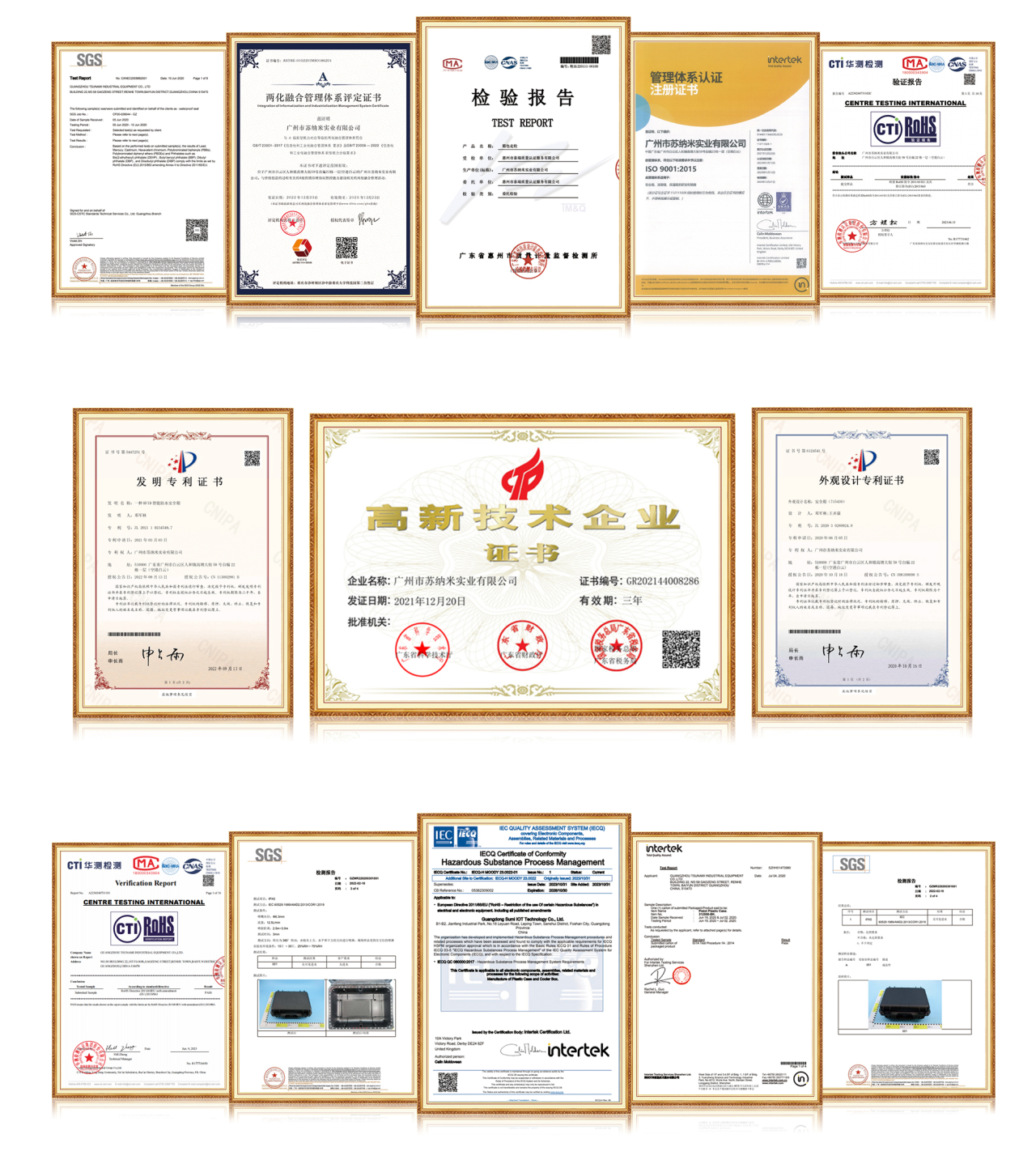
TSUNAMI has been building waterproof hard cases for 17 years. Our cases have carried drones, surveying instruments, surgical instruments, firearms, offshore equipment and stage lighting. They have been further than you have: offshore drilling platforms, survey points in the Gobi, observation stations above the snow line, film sets in the rainforest.
Every case we make has to pass:
- IP67 dustproof and waterproof rating
- MIL-STD-810G (U.S. military standard)
- No failure from −40 °C to +60 °C
- 1 m drop, stack-load compression, and full vehicle rollover
Seventeen years. Seventy-four patents. One problem solved: getting what is inside the case back alive.

Why We Built a Case for Ordinary People
Three years ago we had an argument in-house. Someone asked: could we build a protective case for ordinary people? Not for drones — for your road trips, camping weekends, stream treks, ski days and trips back home.
It sounded like a change of dimensions. It was a different product entirely. A protective case can sacrifice everything for a seal: thick walls, latches, heavy locks, foam-packed interiors. A travel case has to hold clothes, fit in a trunk, be liftable with one hand, and look good. It took us more than two years to get that balance right. We killed far more designs than we approved.
Waterproofing
The first fight was waterproofing. Outdoors, waterproof does not mean "holds off the rain." It means everything inside is still dry after the whole case goes under.
Real, reliable waterproofing comes down to three things: a sealing gasket, a latch system, and a pressure equalization valve.
The sealing gasket — the continuous ring between lid and body. The only barrier water cannot cross.
The latch system — a zipper cannot be waterproof. The tooth gaps are always there; that is physics. We use latches to compress the gasket evenly into one continuous sealing surface.
The pressure equalization valve — altitude changes and cabin pressure differentials create a pressure gap between inside and outside, and forcing the case open breaks the seal. This valve equalises pressure automatically. It is a feature you only find on a true protective case.
Only with all three does a case earn the word waterproof. Not "splash-resistant." Left in a stream overnight, opened the next morning, sleeping bag still dry.
Weight
On weight, one number is enough: 24 inch, 4.1 kg. For an outdoor case, that is normal. Comparable protective cases are heavier — Pelican and NANUK models generally start above 5 kg. We did not chase light weight, because waterproofing and lightweighting fight each other: the gasket needs compression, the latches need strength, and the walls must be thick enough to hold the sealing surface flat when the case is packed full. Every 100 grams you remove comes straight off the waterproofing margin.
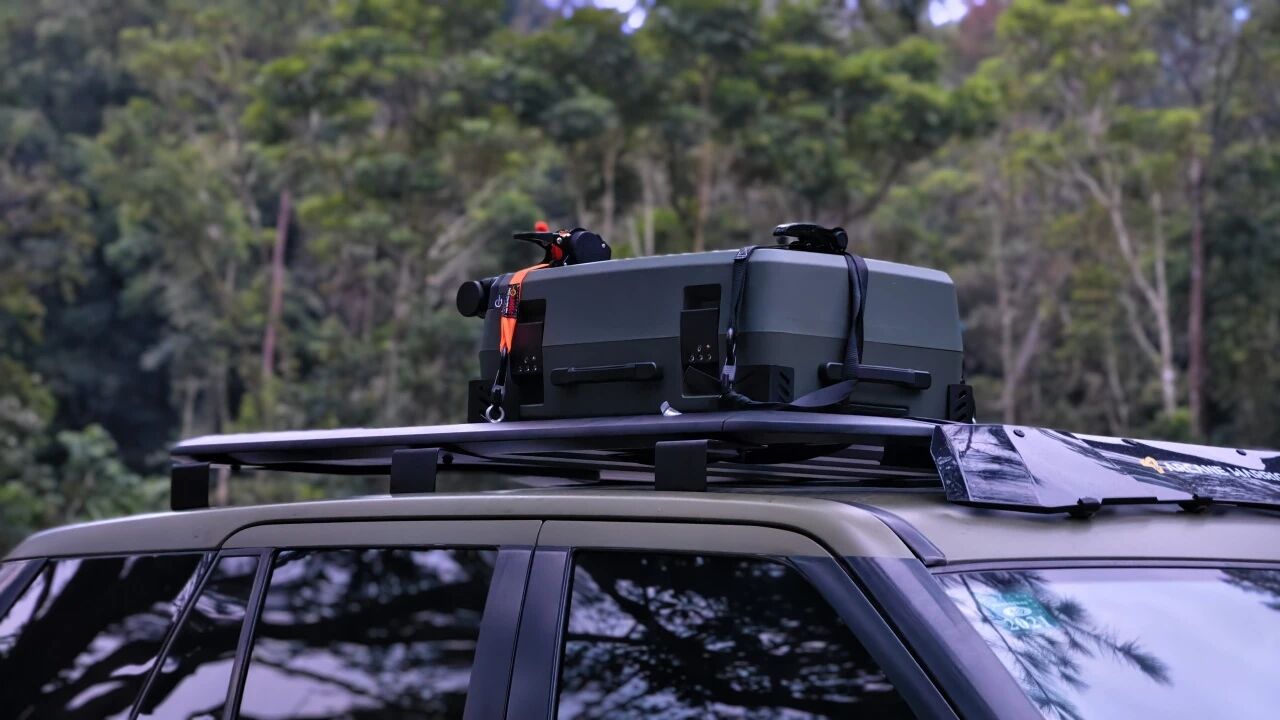
What 4.1 kg buys you: it fits a luggage rack, straps to a roof rack, doubles as a seat by the stream — and it is something you can keep using for years.
Five Colors, Five Places
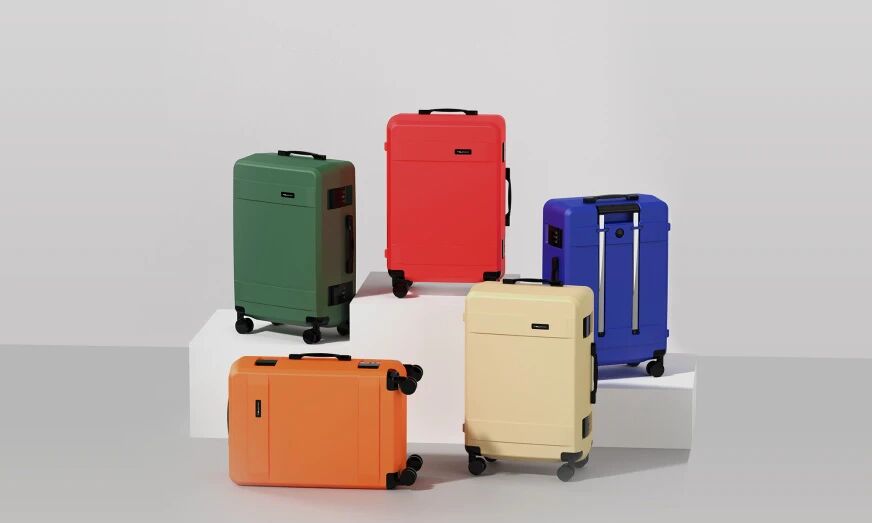
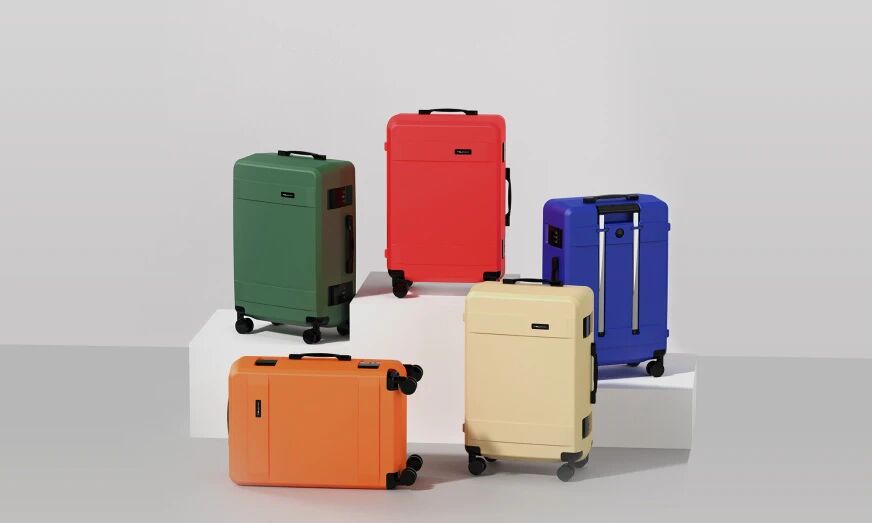
In 17 years of building protective cases, we have made almost one color: black. Professional equipment does not need color. This is the first time we have given a case five — each one taken from a place you might go.
- Ocean Blue — the sea on a day with thirty metres of visibility
- Chili Red — the red you spot instantly from across a boulder field
- Sunset Orange — the highway at 6:30 p.m., and the push to reach camp before dark
- Ocean Green — the default color of anyone who refuses the usual route
- Desert Beige — the color the wind sands everything down to
These are not numbers on a color card. They are five places.
Ten Years From Now
One last thing, about ten years from now.
Most suitcases end the same way: the wheels wear flat or the handle seizes, and it goes into a corner of the storage room for two years before someone drags it out and throws it away. Nobody ever asks where it went. That is the ugliest stretch of road for a plastic case. It will not be recycled — nobody is going to disassemble the rivets, wheels and fabric of a suitcase. And it will never biodegrade. It will sit there for centuries.
"Recyclable" does not mean "it will be recycled." That is the question the entire plastics industry avoids, and we are not going to paper over it with the phrase "eco-friendly material."
Here is what we can do: in ten years, do not throw this case away. Bring it back and trade it in for a new one.
Why ten years? Because that is the minimum we think it deserves to be used. If it breaks in three, that is our failure, not yours.
And we have already decided where it goes after ten. It is modified PP — a single material. That means it can be shredded, pelletised and turned back into raw material. We own our injection molding plant, and we have the capability to take it back.
Specifications
TSUNAMI Waterproof PP Luggage · 24 inch
| Spec | Detail |
|---|---|
| Size | 24 inch |
| Weight | Approx. 4.1 kg |
| Material | Modified high-impact copolymer PP (polypropylene) |
| Opening | Latch closure system — no zipper |
| Lock | TSA combination lock |
| Waterproofing | Sealing gasket + latch compression + pressure equalization valve |
| Temperature range | −40 °C to +60 °C |
| Colors | Ocean Blue / Chili Red / Sunset Orange / Ocean Green / Desert Beige |
| Commitment | Trade-in for a new case after ten years |
| Manufacturing | TSUNAMI-owned factory, 55,000 m², 17 years of protective case manufacturing |
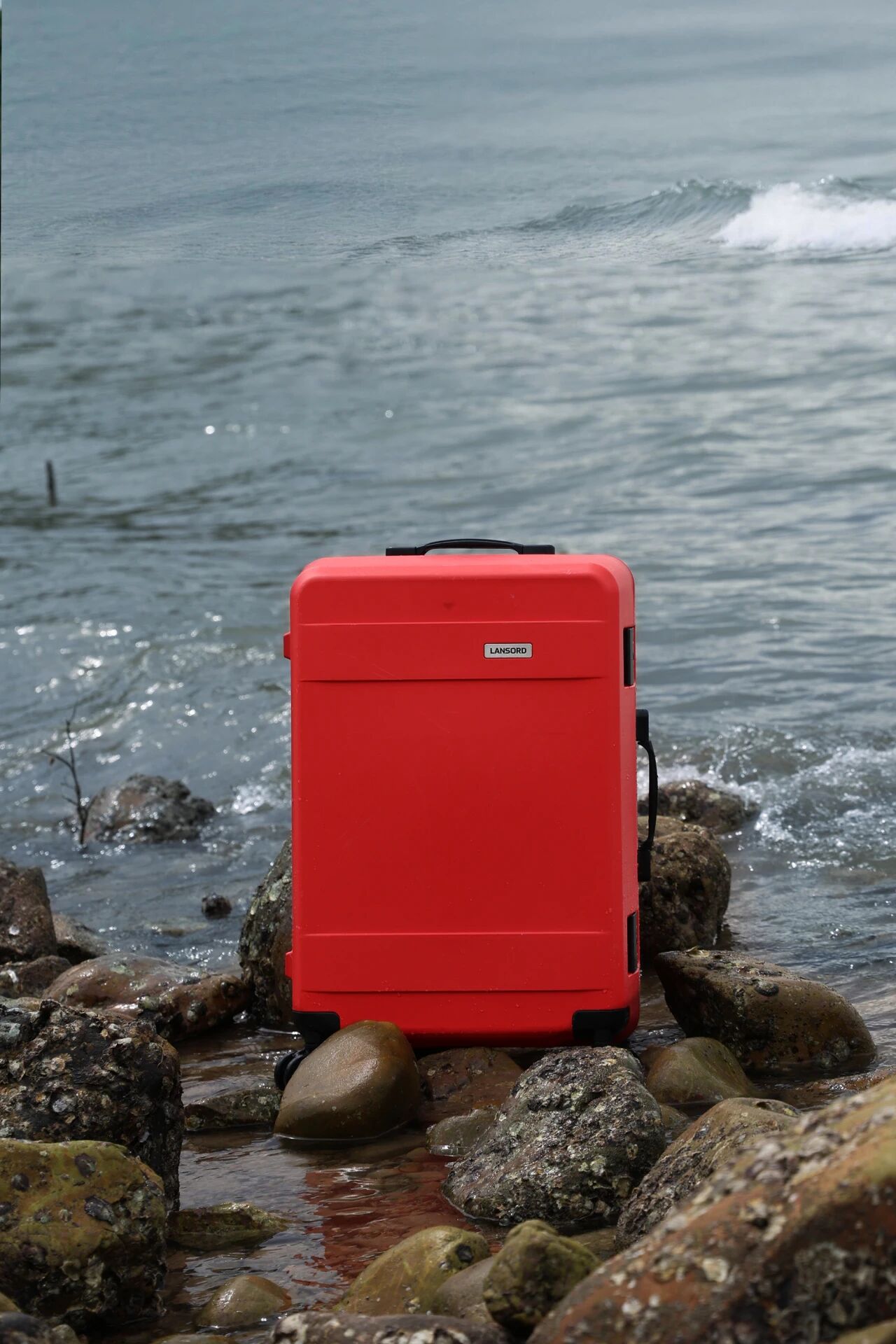
Closing
Seventeen years of protective cases. Our first suitcase.
We do not want to be the tenth case you have bought. We want to be the last.
At the end of the article, there is a large release of the latest e-catalogue. Identify the QR code to download the plastic hard cases latest e-catalogue. Don’t miss it ~
Scan the QR code below to get the latest e-catalogue ~
E-mail: info@tsunamicase.com
WhatApp:+8619128989453
website:https:www.tsunamicase.com
Post time: Sep-24-2026